
We believe in a world where partnerships catalyse innovation to improve the health and prosperity of marginalised communities and their environments.
Vision
A world where partnerships catalyse innovation and enrich lives.
Mission
We work to improve the health and prosperity of marginalised communities and their environments.
Approach
Our work is informed by a ‘One Health and One Welfare’ approach: a collaborative framework that recognises the interdependence of humans, animals, and the natural environments in which they live. Any project we design, or support, must be mutually sustainable for both humans and their natural ecosystems.
Kyeema works with communities globally to tackle poverty, environmental degradation and build better lives. Partnering with diverse local and global organizations, we drive innovative and community-led solutions to these pressing challenges. Your support is crucial to help us continue this vital work.

Nutrition, Health and Livelihoods

Resilient Communities

Innovation
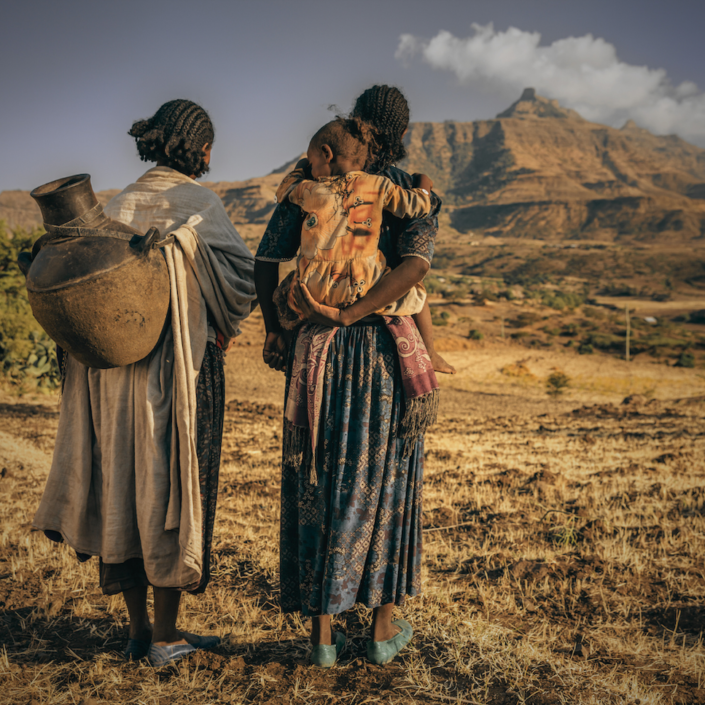
Gender Equality and Social Inclusion



Kyeema Foundation is a member of the Australian Council for International Development and adheres to the ACFID Code of Conduct. Complaints relating to a breach of the ACFID Code of Conduct can be made to the ACFID Code of Conduct Committee.
Kyeema Foundation holds base-level accreditation with the Australian NGO Cooperation Program (ANCP) under the Department of Foreign Affairs and Trade and is endorsed as a Deductible Gift Recipient. Your donations of $2 and over are tax deductible in Australia.